



Looking Back to Design What’s Next
Design is shaped by what came before—the objects we remember, the spaces that influenced us, the problems someone else solved decades ago, and the details that continue to feel relevant long after they were first introduced.
The best ideas rarely appear out of nowhere.
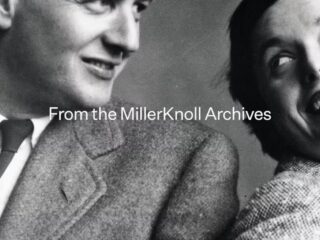
That idea is at the heart of Works Cited, a new MillerKnoll video series inviting leading designers into the MillerKnoll Archives to explore the pieces, stories and ideas that have influenced their work.
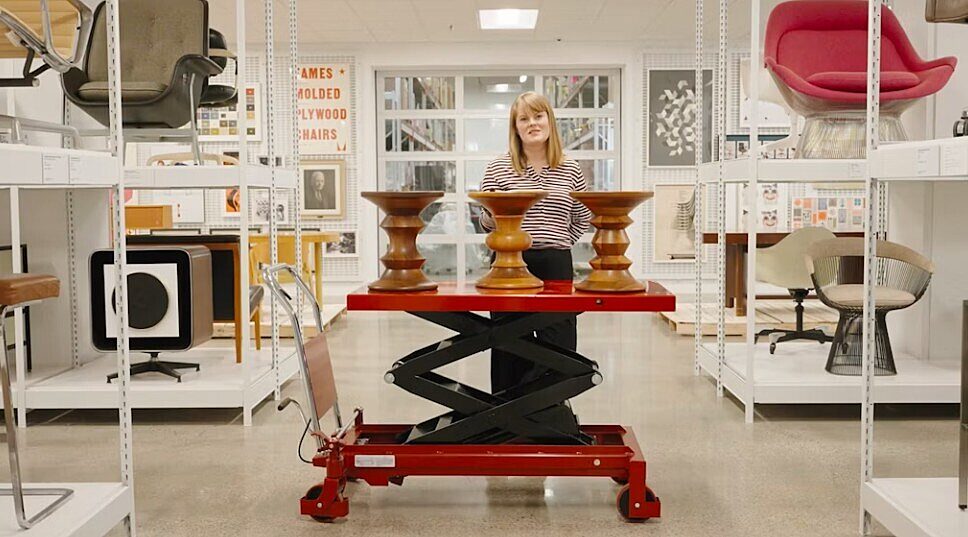
The MillerKnoll Archives bring together approximately one million objects and pieces of ephemera within a 12,000-square-foot research and exhibition center dedicated to the evolution of modern design. Its collections include original drawings, documents, product literature, graphics and furniture representing generations of design thinking.
But an archive like this is about more than preserving the past. It creates a place to study it, question it and use it as inspiration for what comes next.
Design is an ongoing conversation
Through Works Cited, designers are invited to move through the archives and share the references that have shaped the way they see and create.
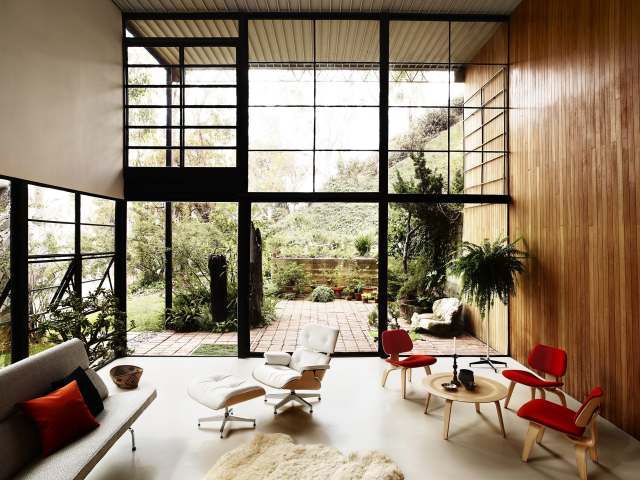
In the first episodes, Keiji Takeuchi reflects on a familiar design from his childhood that helped establish his understanding of furniture. Sina Sohrab explores archival texts and early approaches to ergonomics from designers including George Nelson, Bill Stumpf and Florence Knoll. Stine Aas considers the lasting appeal of work by designers including Gilbert Rohde and Charles and Ray Eames—and how those ideas continue to influence her contemporary work.
The perspectives are different, but the connection is the same: understanding where design has been can change the way we think about where it can go.
Why inspiration matters
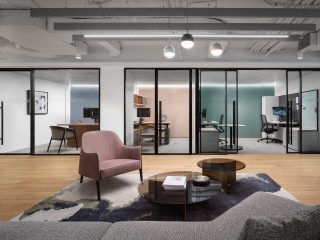
At MOI, we spend a lot of time thinking about the future of space—how people will work, gather, learn, heal and connect. But designing for what’s next doesn’t mean ignoring what has already worked. Some of the most enduring ideas in workplace and furniture design began with questions that are still relevant today:
- Based on our decades of experience, how should a space support the people using it?
- How can an object be beautiful, functional and intuitive at the same time?
- How can design respond as the way we live and work changes?
- And what makes certain ideas feel timeless while others fade away?
Looking back gives designers another tool for answering those questions. It provides context. It helps us recognize why certain ideas endure. And sometimes, it gives us permission to reinterpret a familiar idea in an entirely new way.
From inspiration to application
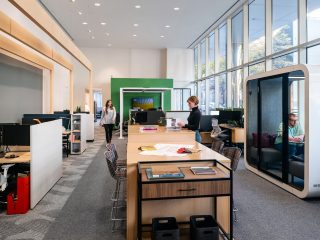
For our teams at MOI, inspiration ultimately has to become something useful. Our role is to help clients and design partners translate vision into environments that support real people and real goals. That means understanding the intent behind a space—not simply selecting what goes into it.
The MillerKnoll Archives are an incredible reminder that furniture is never just furniture. Behind every enduring piece is an idea about people, behavior, materials, technology or the way a space should feel. Those ideas continue to influence the environments being created today.
And that may be one of the most valuable things an archive can do: preserve the past while continuing to provoke new thinking.